Compare Local Contractors for Disability Home Modifications
Compare local contractors for disability home modifications to clarify scope, verify experience, and establish clear expectations before selecting the right service provider.
Disability home modification services typically include a range of adaptations designed to improve accessibility, safety, and independence within a residence. These projects may involve installing ramps, widening doorways, modifying bathrooms for wheelchair access, or adding grab bars and handrails. The scope of work varies based on individual needs, the layout of the property, and specific mobility requirements. Understanding what modifications are needed helps property owners communicate effectively with service providers and ensures that the work addresses all relevant accessibility concerns.
Defining the scope of a home modification project is essential to establishing clear expectations and ensuring the work meets specific needs. A well-outlined scope includes details about the types of modifications, materials, and any structural considerations. This clarity helps prevent misunderstandings, enables property owners to compare different service providers accurately, and ensures that contractors have a comprehensive understanding of the project requirements. Documenting the scope in writing also provides a reference point throughout the project, supporting effective communication and accountability.
When evaluating local contractors for disability home modifications, property owners should consider how each service provider approaches scope definition, experience with similar projects, and their ability to deliver detailed, written plans. Comparing contractors involves reviewing their work history, asking about their familiarity with accessibility standards, and verifying that they understand the specific needs of the property. By focusing on these practical aspects, property owners can select service providers who are equipped to handle the scope of work effectively and ensure the modifications align with individual requirements.
Compare local contractors by outlining your needs, verifying experience, and setting clear expectations in writing.
- Compare Service Providers - Review local contractors to find those best suited for disability home modifications.
- Define Project Scope - Clearly outline the work needed to ensure all parties understand expectations.
- Verify Experience - Check the background and previous work of local contractors to assess capability.
- Set Expectations in Writing - Document project details and agreements to help manage the modification process.
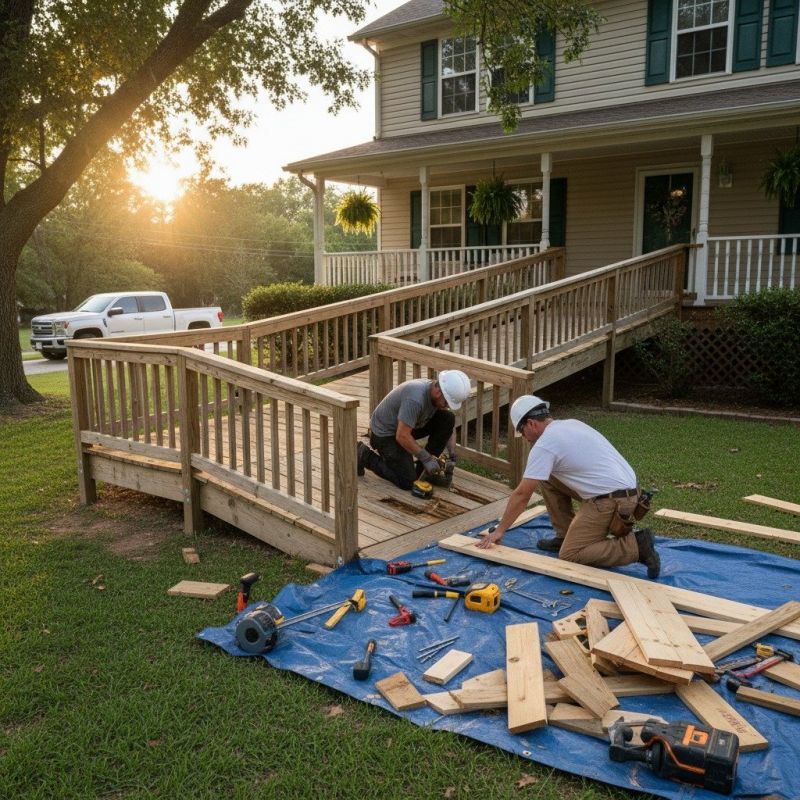
Clearly describe your disability home modification project first to help compare local contractors, verify experience, and set expectations in writing.
- Verify that the service providers have experience with disability home modifications and accessible design standards. - Ensure contractors clearly define the scope of work and provide detailed descriptions of the modifications they will perform.
- Compare multiple local contractors to assess their qualifications, reputation, and quality of previous projects related to disability modifications. - Check for reviews, references, or portfolios that demonstrate their expertise in accessible home upgrades.
- Confirm that contractors understand specific accessibility needs and can customize modifications accordingly. - Discuss your requirements thoroughly to ensure the scope aligns with your individual needs.
- Ensure that all project expectations, responsibilities, and deliverables are documented in writing before work begins. - A detailed contract helps prevent misunderstandings and sets clear performance standards.
- Assess whether the service providers are knowledgeable about relevant building codes and accessibility regulations. - This helps ensure modifications meet legal standards and are safe for use.
- Request information about the process for handling changes or unforeseen issues during the project. - Clear communication plans can help manage expectations and keep the project on track.
Use this to compare local contractors, clarify scope, verify experience, and set clear expectations.


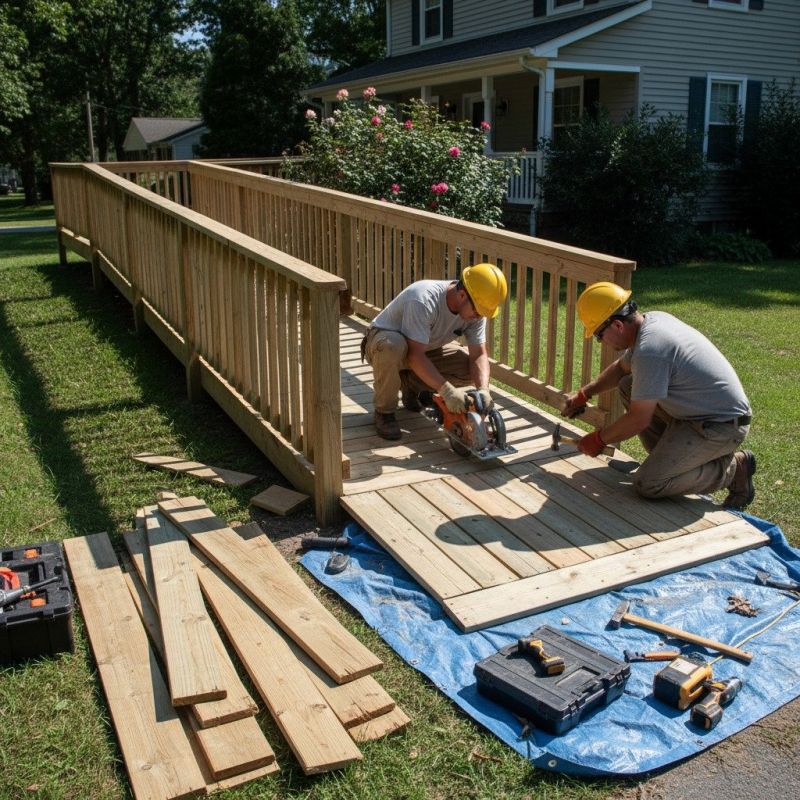
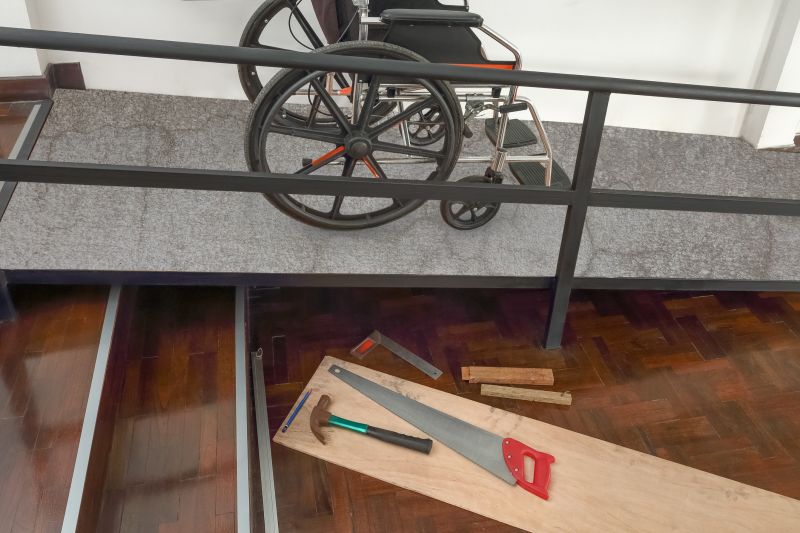
Use consistent criteria to compare local contractors, define project scope clearly, verify experience, and document expectations in writing.
- Define the scope of modifications needed - clearly identify the specific home adjustments required to accommodate disability needs.
- Verify experience with disability home modifications - ensure service providers have relevant background in similar projects.
- Assess the qualifications and credentials of local contractors - review their expertise and track record in accessible home improvements.
- Establish project expectations in writing - document the agreed-upon scope, materials, and standards to prevent misunderstandings.
- Compare multiple service providers - evaluate their offerings, experience, and approach to find the best fit for the project.
When comparing contractors for disability home modification projects, it’s important to consider their experience with similar types of work. Look for service providers who have a proven track record in modifying homes for accessibility needs, such as installing ramps, grab bars, or widened doorways. An experienced contractor will understand the specific challenges and requirements of these projects, helping to ensure that modifications meet functional needs and safety standards. Asking for examples of past projects or references can provide insight into their familiarity with the scope of work involved.
A clear, written scope of work is essential when evaluating potential contractors. This document should outline the specific modifications planned, including details about materials, methods, and the extent of work to be performed. A well-defined scope helps prevent misunderstandings and sets clear expectations for what the project will include. When reviewing proposals or bids, ensure that the scope is comprehensive and that any assumptions or exclusions are explicitly stated. This clarity allows homeowners to compare options based on the quality and completeness of the work described.
Verification basics are key to choosing reliable service providers. While formal licensing and certification may not be required, verifying references and reviewing past project summaries can help confirm a contractor’s experience and professionalism. Ask service providers for contact information of previous clients or examples of completed projects similar to the intended modifications. Additionally, checking for any complaints or reviews through local consumer agencies or online platforms can provide further assurance of their reputation. This due diligence helps ensure that the selected contractor has a history of delivering satisfactory results.
Evaluating options without focusing on prices involves assessing the quality of proposals and the professionalism of each contractor. Consider how thoroughly each service provider has outlined the scope, the clarity of their communication, and their responsiveness to questions. Comparing the level of detail in their written proposals can reveal their understanding of the project and their attention to detail. It’s also helpful to evaluate how well each contractor’s approach aligns with the specific needs of the home and the individual requiring modifications. This process ensures that choices are based on the suitability and clarity of the service proposals, rather than solely on cost.
Ask service providers to provide written scope details to ensure clear understanding and consistent expectations.
- Experience and Expertise - What specific experience do local contractors have with disability home modifications?
- Scope of Work - How clearly do contractors define the scope of the modifications to be made?
- Comparison of Services - What differences exist between contractors in terms of the services they offer?
- Project Expectations - Are the scope and responsibilities outlined in writing to prevent misunderstandings?
- Specialization - Do the local service providers specialize in disability-related modifications or general home renovations?
How can I compare contractors for disability home modifications? It’s helpful to review their experience with similar projects, check references, and ensure clear communication about the scope of work to find the best fit for your needs.
What should I consider when defining the scope of a modification project? Clearly outline the specific accessibility features needed, desired outcomes, and any existing structural considerations to ensure contractors understand your expectations.
How can I verify a contractor’s experience with disability home modifications? Ask for examples of past projects, request references, and review any available portfolios to assess their familiarity with relevant modifications.
Why is it important to have written agreements with contractors? Written agreements help set clear expectations, define the scope of work, and establish responsibilities, reducing misunderstandings during the project.
What questions should I ask contractors during the comparison process? Inquire about their experience, approach to project planning, communication methods, and how they handle unforeseen issues to gauge their professionalism.
How can I ensure the contractor understands my specific needs? Provide detailed descriptions of the modifications required, discuss your goals openly, and confirm that the contractor’s proposed plan aligns with your expectations.
This overview highlights the importance of understanding the scope of disability home modifications and verifying the experience of local contractors. Visitors now know how to compare different service providers, define the work needed, and set clear expectations in writing to ensure a smooth process. Using the quote form allows for a straightforward way to explore options and find local contractors equipped to handle the project.
By utilizing the quote form, visitors can easily connect with local service providers who specialize in disability home modifications. This approach makes it simple to compare options, review scope details, and gather information to make informed decisions. Taking this step helps identify the right contractors to meet specific needs and preferences for home modifications.