Compare Local Contractors for Disability Remodeling Projects
Compare local contractors to define project scope, verify experience, and set clear expectations, ensuring a successful disability remodeling renovation.
Disability remodeling services typically encompass modifications and upgrades to residential or commercial properties to improve accessibility and safety for individuals with mobility challenges or other disabilities. This work may include installing ramps, widening doorways, lowering countertops, adding grab bars, or modifying bathrooms to meet specific needs. The goal is to create a more functional environment that accommodates mobility devices and reduces barriers, enabling greater independence and comfort within the space. When planning a remodel, understanding the scope of work helps ensure that all necessary adjustments are addressed and that the project aligns with the specific requirements of the individual.
Defining the scope of a disability remodeling project is essential to establish clear expectations and ensure that the work covers all necessary modifications. A well-outlined scope includes identifying the specific areas to be modified, the types of adaptations needed, and any additional features that might enhance accessibility. This clarity helps property owners communicate effectively with service providers, preventing misunderstandings and ensuring that contractors understand the full extent of the project. Documenting the scope in writing also provides a reference point throughout the remodeling process, supporting accountability and helping to avoid scope creep.
When comparing local contractors for disability remodeling, property owners should evaluate their experience with similar projects and their understanding of accessibility requirements. It’s helpful to review the services they offer and ask for examples of past work that demonstrate their capability to handle modifications of this nature. Additionally, verifying that contractors are transparent about their process and willing to provide detailed written proposals can make the selection process more straightforward. By considering factors such as reputation, communication style, and the ability to clearly define and document project scope, property owners can make informed decisions and choose service providers best suited to meet their accessibility needs.
Compare local contractors by outlining your priorities, verifying experience, and setting clear expectations in writing.
- Compare Contractors - Evaluate multiple local contractors to find the best match for disability remodeling needs.
- Define Project Scope - Clearly outline the work requirements and expectations before engaging with service providers.
- Verify Experience - Confirm that contractors have relevant experience in disability remodeling projects.
- Document Agreements - Ensure all project details, scope, and expectations are put into written agreements.

Clearly describe your disability remodeling project to effectively compare local contractors, verify experience, and set written expectations.
- Verify experience with disability remodeling projects to ensure familiarity with accessibility standards and requirements. - Look for contractors who clearly define the scope of work and understand specific needs for accessibility modifications.
- Compare multiple service providers to assess their expertise and ability to handle customized remodeling solutions safely and effectively. - Ensure contractors have a track record of completing similar projects with quality craftsmanship.
- Review references or past project portfolios to evaluate the quality of work and client satisfaction in disability remodeling services. - Confirm that contractors are experienced in creating accessible, functional spaces tailored to individual needs.
- Check that service providers are willing to provide detailed written proposals outlining the scope, materials, and methods of the remodeling project. - This helps set clear expectations and ensures all parties agree on project specifics before work begins.
- Assess communication skills and responsiveness to determine how well contractors understand and address specific accessibility requirements. - Effective communication is key to ensuring the project aligns with the unique needs of the individual.
- Ensure that contractors are knowledgeable about local building codes and accessibility standards relevant to disability remodeling projects. - Compliance with regulations is essential for safe and functional modifications.
Compare local contractors’ experience and clarify project scope to ensure expectations are aligned.
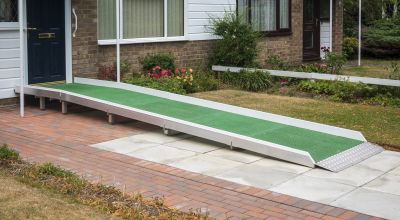
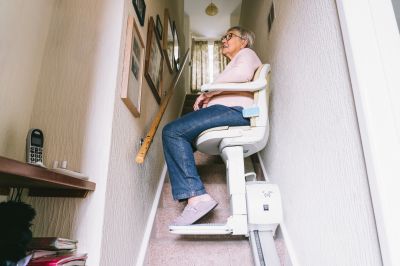


A clear scope and consistent comparison criteria help ensure you evaluate local contractors effectively for disability remodeling projects.
- Define the scope of the remodeling project by clearly outlining the specific modifications needed for accessibility and functionality.
- Identify the experience and expertise of potential service providers to ensure they have relevant background in disability-related renovations.
- Establish detailed project expectations in writing to clarify the work to be performed and prevent misunderstandings.
- Compare multiple local contractors based on their capabilities and past projects to find those best suited for the remodeling needs.
- Verify references or reviews to assess the quality and reliability of the service providers before making a selection.
When evaluating contractors for disability remodeling projects, it is important to consider their experience with similar types of work. Homeowners should inquire about the scope of past projects to ensure that the service providers have a history of handling modifications that meet accessibility and safety standards. Contractors with relevant experience are more likely to understand the unique requirements involved and deliver solutions that align with specific needs.
A clear, written scope of work is essential for establishing mutual understanding and setting expectations. Homeowners should seek contractors who can provide detailed descriptions of the tasks involved, materials to be used, and the overall process. Having this information documented helps prevent misunderstandings and ensures that both parties are aligned on project objectives before any work begins.
Verifying the basics of a contractor’s background is a key step in the selection process. This includes confirming their local reputation, checking references if available, and understanding their general approach to similar projects. While formal licensing or certification may not be explicitly required, gathering information about a contractor’s history and reputation can help gauge their capability to handle disability remodeling tasks effectively.
When comparing options, homeowners should focus on the quality and clarity of the information provided by each contractor. Evaluating how well they communicate the scope, their experience with similar projects, and their ability to answer questions thoroughly can reveal their professionalism and reliability. This approach ensures that the selection process is based on informed judgment, helping to identify service providers capable of meeting specific accessibility needs without relying on price or timeline considerations.
Ask contractors to provide written scope and expectations to ensure clarity and consistency throughout the project.
- Experience with Disability Remodeling - What relevant projects or specialties do local contractors have in disability remodeling?
- Scope of Work Clarification - How do local service providers define and document the specific scope of the remodeling project?
- Comparison of Services - What services and features do different local contractors include in their disability remodeling offerings?
- Customization Options - How do local contractors tailor remodeling solutions to meet individual accessibility needs?
- Communication and Expectations - How do local service providers ensure clear communication and set expectations in writing for the project scope?
How can I compare different contractors for disability remodeling? It’s helpful to review their experience with similar projects, check references or reviews, and verify their scope of work to ensure they meet specific needs.
What should I consider when defining the scope of my remodeling project? Clearly outline the accessibility features required, the areas involved, and any special accommodations needed to communicate expectations effectively.
How can I verify a contractor’s experience with disability remodeling? Ask for details about their past projects, request references, and review their portfolio to assess their familiarity with accessibility modifications.
Why is it important to have a written agreement with a contractor? A written contract helps define project scope, responsibilities, and expectations, reducing misunderstandings during the remodeling process.
What questions should I ask when evaluating potential service providers? Inquire about their experience with similar projects, the services they offer, and how they handle project planning and communication.
How can I ensure a contractor understands my specific accessibility needs? Provide detailed descriptions of your requirements, ask how they plan to address them, and confirm that they have experience with similar modifications.
This page has highlighted the importance of clearly defining the scope of a disability remodeling project, verifying the experience of potential service providers, and setting expectations in writing to help ensure a smooth process. By understanding these key steps, visitors can make more informed decisions when comparing local contractors and service providers to find options that align with their specific needs.
Using the provided quote form allows visitors to easily connect with qualified local contractors who can handle disability remodeling projects. Comparing multiple options through this process can help identify the best fit for individual requirements, making it easier to move forward with confidence in choosing a service provider suited to the job.